The Mississippi Territory was formed in 1798 from land ceded from Spain in 1795. John and William Lott, migrated to the area from their home in Columbia, South Carolina, when they heard about its rich, fertile land and rich virgin timber. In 1812, five years prior to Mississippi's becoming a state, Marion County was established in the territory. A permanent seat of justice was located on the east bank of the Pearl River.
Originally known as Lott's Bluff. the town was re-named Columbia in 1821, in honor of the South Carolina town from which the first settlers came. In the early days of Mississippi's statehood, the state legislature met at a location north of the current town center to establish the basis for the state government, making Columbia the temporary state capital.
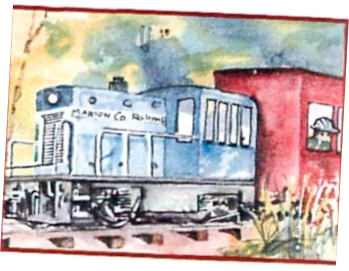
Three railroads served Columbia and Marion County during the first half of the 20th century. The Gulf and Ship Island arrived in 1900, building a depot which still stands on Columbia's Second Street, in 1907. The New Orleans and Great Northern Railroad, which became the Illinois Central and Gulf, along with the Fernwood, Columbia and Gulf were both serving the area by the 1920s.
The Columbia/Marion County community is rich in heritage and hospitality. It is centrally located in the Piney Woods of Mississippi, 30 miles west of Hattiesburg, 45 miles east of McComb and centered between Jackson and the Mississippi Gulf Coast, 85 miles from each, as well as only 100 miles from New Orleans.